
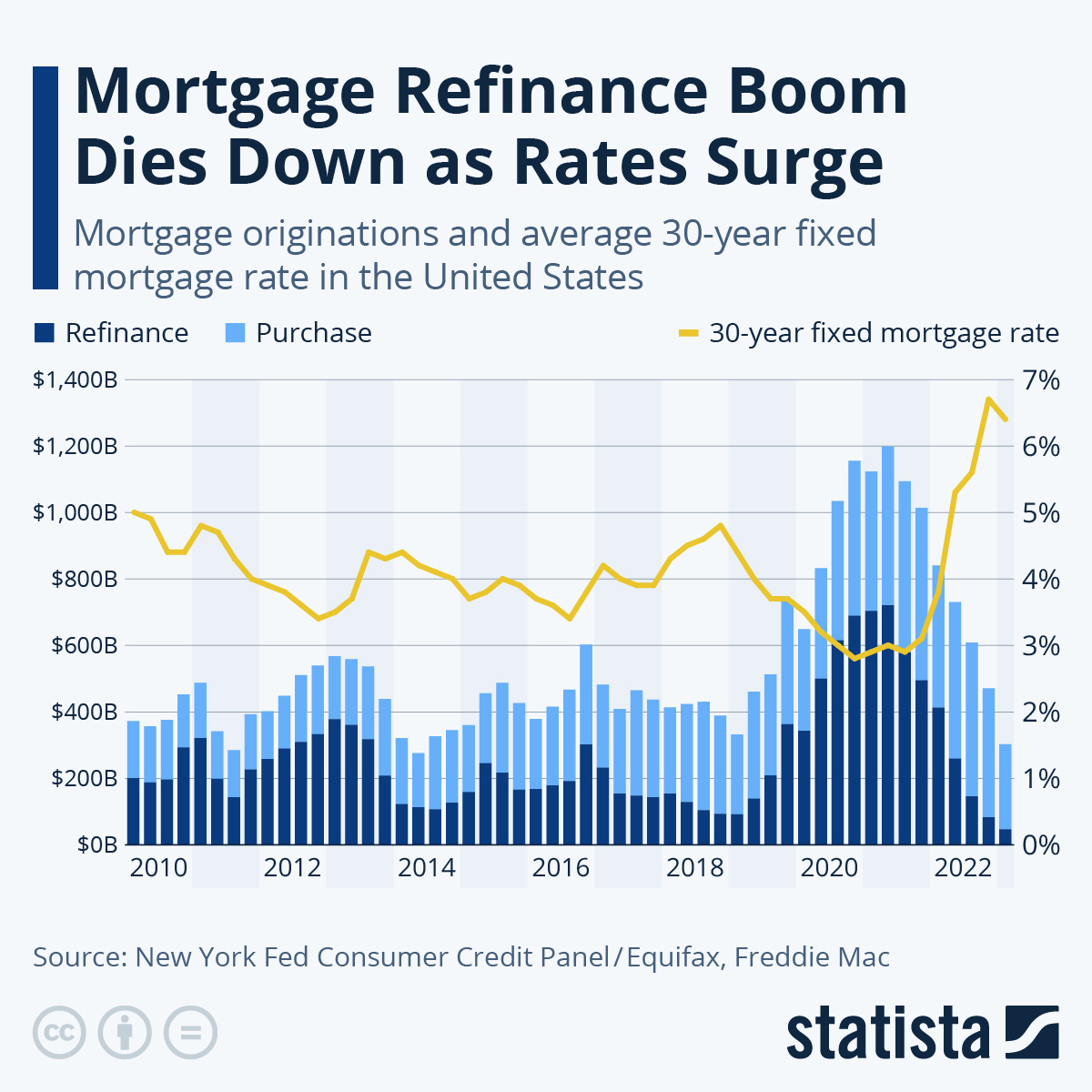

If you’re a U.S. homeowner thinking about refinancing your mortgage in 2026, understanding the current mortgage refinance rates is essential for deciding whether now is the right time to refinance. Rates can vary daily depending on market conditions, your credit profile, loan size, and lender—but there are industry averages you can use as a benchmark when shopping around. (Yahoo Finance)
This comprehensive guide covers:
- What refinance rates look like today
- How refinance rates are determined
- Typical refinance rate examples
- Factors that influence your personal rate
- Benefits and risks of refinancing
- Smart strategies to save money when refinancing
Let’s get started.
📊 Current Today’s Mortgage Refinance Rates (USA)
As of mid-February 2026, national mortgage refinance rates have remained competitive and near three-year lows compared with recent years’ standards: (Yahoo Finance)
🔹 30-Year Fixed-Rate Refinance
- Average rate: ~5.94% (national average) (Yahoo Finance)
🔹 20-Year Fixed-Rate Refinance
- Average rate: ~5.69% (Yahoo Finance)
🔹 15-Year Fixed-Rate Refinance
- Average rate: ~5.42% (Yahoo Finance)
🔹 Adjustable-Rate Mortgage (ARM) Refinance
- 5/1 ARM: ~5.99%
- 7/1 ARM: ~5.97% (Yahoo Finance)
These numbers represent national averages across many lenders. Your personal rate could be higher or lower depending on credit score, debt-to-income ratio, home equity, loan amount, and lender pricing. (Yahoo Finance)
📌 Important Market Context (What These Rates Mean)
- Refinance rates are often a bit higher than purchase mortgage rates, because lenders price them differently based on risk factors. (Yahoo Finance)
- Weekly reporting from mortgage market benchmarks like Zillow shows slight fluctuations day to day, but most refinance averages still hover just under 6% for 30-year fixed loans. (Yahoo Finance)
- Freddie Mac and other index reports confirm long-term rates remain near three-year lows compared with periods earlier in the decade. (themortgagereports.com)
📈 How Refinance Rates Are Determined
Mortgage refinance rates for homeowners are influenced by many market and personal factors:
🧠 1. Economic Indicators
Mortgage rates generally follow long-term Treasury yields and labor market trends. When investors seek safer assets like Treasuries, mortgage bond yields often fall, nudging down refinance rates. (AP News)
💳 2. Credit Score
Borrowers with higher credit scores (often 740+) usually qualify for lower refinance rates because they pose lower risk to lenders.
📉 3. Loan-to-Value Ratio (LTV)
Lower LTV (more equity in the home) typically means better refinance pricing. Jumbo loans and high LTV loans can carry higher rates.
📍 4. Loan Type & Term
15-year refinance loans usually have lower rates than 30-year loans—but monthly payments can be higher due to the shorter payoff period. (Yahoo Finance)
📊 Example Refinance Rate Ranges You Might See
Below is a realistic snapshot of recent refinance rate ranges from lender rate tables and national sources:
| Loan Type | Average Refi Rate (2026) |
|---|---|
| 30-Year Fixed | ~5.9%–6.1% (Yahoo Finance) |
| 20-Year Fixed | ~5.6%–5.8% (Yahoo Finance) |
| 15-Year Fixed | ~5.3%–5.5% (Yahoo Finance) |
| 5/1 ARM | ~5.9%–6.0% (Yahoo Finance) |
Note: Bank rate tables may show slightly different numbers based on lender pricing policies and individual credit qualification. (Chase)
📌 Why Homeowners Refinance
Refinancing can be a smart financial move when done for the right reasons:
🔹 Lower Your Interest Rate
The most common goal—particularly when current rates are lower than your original mortgage rate.
🔹 Reduce Monthly Payments
A lower rate or longer term can ease monthly cash flow.
🔹 Shorten Loan Term
Some refinance to switch to a 15-year loan to build equity faster and pay less interest over the life of the loan.
🔹 Cash-Out Refinance
Pulling out equity for home improvements, debt consolidation, or other needs—but be cautious about increasing your overall interest cost.
📉 Pros & Cons of Refinancing
✅ Benefits
✔ Lower monthly payments
✔ Pay off your mortgage faster (with a shorter term)
✔ Take advantage of lower market rates
✔ Potential to build equity faster
❌ Risks & Costs
✘ Closing costs (often 2%–5% of loan amount)
✘ Extended payoff time if resetting term
✘ Higher total interest if extending term
📍 Should You Refinance Right Now?
Here are some key signals refinancing might make sense:
✔ Your current mortgage rate is higher than today’s average rate
If your rate is significantly above current averages (e.g., above ~6.0% on a 30-yr loan), refinancing might lower your payments or save money long term. (Yahoo Finance)
✔ You plan to stay in your home for several more years
Because closing costs apply, refinancing typically makes sense if you live in the house long enough to recoup those costs through monthly savings.
✔ You want to shorten your loan term
Taking a slightly higher monthly payment for a shorter term can save tens of thousands in interest over the life of the loan.
🧠 Smart Tips Before Refinancing
✔ Shop around — Different lenders offer different pricing.
✔ Get rate quotes from at least 3 lenders — Even small rate differences add up.
✔ Factor in closing costs — Estimate how long it will take to break even.
✔ Check your credit score — Improve it before applying, if possible.
✔ Consider paying discount points — Pay upfront to lower your rate.
📈 Quick Recap: Today’s Mortgage Refinance Environment
- Refinance rates remain competitive in early 2026, with 30-year fixed averages near ~5.9% and 15-year averages near ~5.4%. (Yahoo Finance)
- Homeowners with rates above the current averages might save by refinancing. (Yahoo Finance)
- Your personal rate depends on credit history, loan size, equity, and lender.
📌 Final Thoughts
Mortgage refinance rates today show room for potential savings—especially for homeowners with higher existing rates or those aiming to shorten their loan term. However, refinancing isn’t right for everyone: it depends on your financial goals and timeline.
If you’re serious about refinancing in 2026, start by comparing current refinance offers, understand your own credit profile, and calculate your break-even point after closing costs.