


If you’re searching for how to apply for a credit card with bad credit in the USA, you’re not alone. Millions of Americans have credit scores below 670, making approval more challenging—but not impossible.
The good news? In 2026, many lenders specialize in helping consumers rebuild credit. Whether your score dropped due to missed payments, high balances, medical bills, or bankruptcy, there are real options available.
This complete guide covers:
- What qualifies as bad credit
- Best types of credit cards for low scores
- How to increase approval chances
- Hidden fees to avoid
- Smart strategies to rebuild credit fast
Let’s break it down step by step.
What Is Considered Bad Credit in the USA?
Most lenders use FICO score ranges:
| Credit Score | Rating |
|---|---|
| 300–579 | Poor |
| 580–669 | Fair |
| 670–739 | Good |
| 740–799 | Very Good |
| 800+ | Excellent |
If your score is below 670, you may face higher interest rates and stricter approval standards.
But “bad credit” doesn’t mean “no approval.” It simply means you need the right strategy.
Types of Credit Cards for Bad Credit
Not all credit cards are the same. Here are your main options:
1. Secured Credit Cards (Best Starting Point)
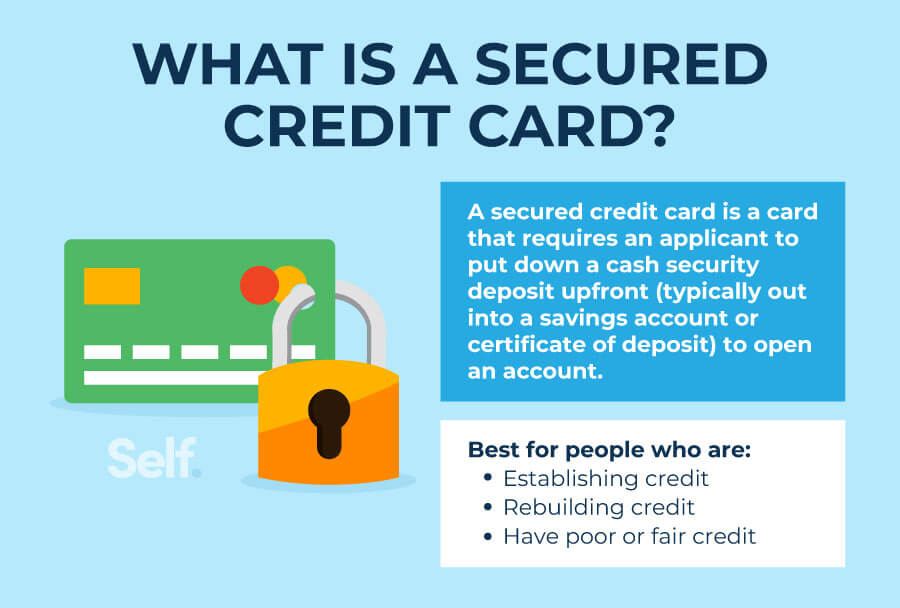
A secured credit card requires a refundable security deposit. The deposit usually equals your credit limit.
Example:
- Deposit $300 → Credit limit $300
Why this works:
- Lower risk for lenders
- Higher approval rates
- Reports to credit bureaus
Popular secured cards in the USA include:
- Discover it® Secured
- Capital One Platinum Secured
- Citi Secured Mastercard
These cards often allow upgrades to unsecured cards after responsible use.
2. Unsecured Credit Cards for Bad Credit



Some issuers approve applicants with low scores without requiring a deposit. However:
- Interest rates are high (often 25%–35%)
- Annual fees may apply
- Credit limits are low
Companies that offer unsecured options include:
- Credit One Bank
- OpenSky
- First Progress
Always read fee disclosures carefully before applying.
3. Retail Store Credit Cards
Retail cards sometimes have easier approval standards but:
- High interest rates
- Limited usability
These are good only if used responsibly and paid in full monthly.
Step-by-Step: How to Apply for a Credit Card With Bad Credit
Step 1: Check Your Credit Score
Use free tools from:
- AnnualCreditReport.com
- Credit monitoring services
Review your report for errors before applying.
Step 2: Choose the Right Card Type
If your score is below 600 → secured card is safest.
If 600–669 → you may qualify for certain unsecured cards.
Step 3: Prequalify (Soft Credit Check)
Many issuers allow prequalification without affecting your credit score.
Prequalifying helps:
- Avoid unnecessary hard inquiries
- Compare offers safely
Step 4: Submit Application
You’ll need:
- Social Security Number
- U.S. address
- Employment and income details
Approval decisions often take minutes.
How to Increase Approval Chances
If your credit is weak, follow these expert strategies:
✔ Pay down credit card balances below 30% utilization
✔ Avoid applying for multiple cards at once
✔ Use stable employment income
✔ Consider adding a co-signer (if available)
✔ Apply with banks where you already have an account
Even small improvements can make a difference.
Interest Rates & Fees to Watch
Credit cards for bad credit usually have:
- APR: 24%–36%
- Annual fees: $0–$99+
- Late payment fees
- Foreign transaction fees
Important: Always focus on improving your score quickly so you can upgrade to a lower-interest card.
How to Use Your Card to Rebuild Credit
Getting approved is only the first step. How you use the card determines your credit growth.
Golden Rules:
- Keep utilization under 30%
- Pay full balance every month
- Never miss a payment
- Set up autopay
- Monitor your credit monthly
Most people see score improvement in 3–6 months with responsible use.
How Long Does It Take to Rebuild Credit?
Timeline varies:
- 3 months → Minor improvements
- 6 months → Noticeable increase
- 12 months → Major recovery possible
Bankruptcy recovery may take longer but secured cards still help.
Common Mistakes to Avoid
✘ Applying for too many cards
✘ Ignoring annual fees
✘ Carrying large balances
✘ Missing payments
✘ Closing old credit accounts too early
Credit rebuilding is about discipline.
Should You Consider a Credit Builder Loan Instead?
Another option is a credit builder loan from credit unions or fintech lenders.
Unlike traditional loans:
- Money is held in savings
- You make monthly payments
- Funds released after completion
This can complement a secured credit card strategy.
Best Strategy for Fast Credit Improvement (USA 2026)
- Open secured card
- Use under 20% utilization
- Set autopay for full balance
- Add credit builder loan (optional)
- Avoid new debt
Within one year, many borrowers qualify for better cards with rewards and lower APR.
When Should You Avoid Applying?
Do NOT apply if:
- You are unemployed
- You recently had multiple hard inquiries
- You have unpaid collections you can resolve first
- Your score is improving and you can wait
Timing matters.
Final Thoughts
Applying for a credit card with bad credit in the USA is completely possible in 2026. The key is choosing the right card, understanding fees, and using it responsibly.
A secured card is usually the safest starting point. With consistent on-time payments and low balances, your credit score can improve steadily—opening doors to better financial products in the future.
Remember: The goal isn’t just approval. The goal is rebuilding your financial foundation.